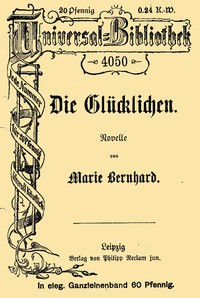
Die Glücklichen
Riassunto
"Die Glücklichen" by Marie Bernhard is a novella written in the late 19th century. The story centers around a young couple, Doctor Schott and his wife, who have moved into a pension in the mountains, where they are affectionately dubbed "the happy ones" by the other residents. The narrative explores themes of perception versus reality in relationships, societal norms, and the contrast between outward appearances and inner struggles. The opening of the novella introduces the setting of the Klinger pension, recently inhabited by the young couple and their daughter, Erna. The atmosphere is marked by the gloomy weather that reflects the social dynamics among the residents, with the newly arrived couple standing out due to their charm and beauty. Fräulein Rosa Hesse, a local poetess, becomes enamored with them, eagerly observing their interactions. While the couple initially appears idyllic, hints of deeper complexities emerge, particularly concerning Doctor Schott's domineering nature and the emotional burdens faced by his wife, Melitta. As the narrative unfolds, it becomes apparent that beneath their facade of happiness, significant personal challenges lie ahead for the couple and their daughter. (This is an automatically generated summary.)
Leggi con LingoAudioBook
L’apertura diretta non è ancora collegata. Scarica un EPUB disponibile dalla fonte e importalo nell’app. Questo indirizzo conserva l’ID Gutenberg.
Libri ↗Diritti e provenienza
Public domain in the USA.
Distribuzione nell’UE non verificata
Argomenti (4)
- Category: Novels
- Category: German Literature
- German fiction
- PT