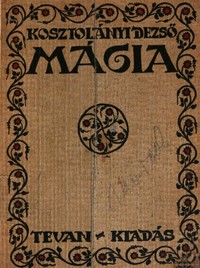
Mágia
Summary
"Mágia" by Dezső Kosztolányi is a collection of poems written in the early 20th century. The work explores the themes of life, death, emotional turmoil, and the passage of time, reflecting the complex human experience. The poetry captures a wide range of emotions and vivid imagery, inviting readers into a deeply introspective and often melancholic journey. The collection features a variety of poems that delve into feelings of sorrow, longing, and the beauty of fleeting moments. Kosztolányi’s exploration of life’s ephemeral nature, coupled with his reflections on personal identity and existential thoughts, resonates throughout the verses. The poems convey an intimate connection with the self as the speaker grapples with self-doubt, loss, and the often poignant elements of existence, culminating in a blend of haunting beauty and profound insight. Themes of nature, love, and human experiences intertwine, showcasing Kosztolányi's skillful use of language and metaphor to evoke emotion and contemplation. (This is an automatically generated summary.)
Rights & provenance
Public domain in the USA.
EU distribution not verified
Subjects (3)
- Category: Poetry
- PH
- Hungarian poetry