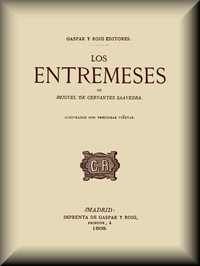
Los entremeses
Summary
"Los entremeses" by Miguel de Cervantes Saavedra is a collection of comic plays or sketches written in the early 17th century. This work showcases various humorous situations and characters that reflect the societal norms and follies of Cervantes's time, emphasizing his wit and versatility as a playwright. The entremeses effectively explore themes of love, marriage, and human nature through a playful lens, making them a significant contribution to Spanish literature. The opening of the collection presents a prologue that highlights the significance and uniqueness of these comedic works, asserting that they deserve as much recognition as Cervantes's more famous writings, such as "Don Quixote." It introduces several characters and scenarios, such as the contentious marriages featured in "El Juez de los Divorcios" (The Judge of Divorces) and the absurdity surrounding their requests for divorce. The dialogues are marked by humor and exaggerated character traits, illustrating the challenges faced by these couples in a satirical manner that combines elements of farce and social commentary. This light-hearted yet perceptive exploration sets the tone for the rest of the collection. (This is an automatically generated summary.)
Rights & provenance
Public domain in the USA.
EU distribution not verified
Subjects (4)
- Category: Plays/Films/Dramas
- Category: Humour
- PQ
- Spanish drama -- Classical period, 1500-1700