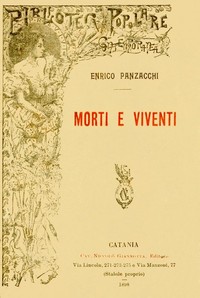
Morti e viventi
Summary
"Morti e viventi" by Enrico Panzacchi is a novel written in the late 19th century. The narrative paints a vivid picture of rural life, highlighting the changes that usher in autumn and examining themes of nostalgia and the passage of time. The protagonist reflects on the quiet beauty of the countryside, as well as the decay of traditions and places, particularly a chapel that symbolizes the fading memories of the past. The opening of the novel introduces readers to a picturesque Italian landscape transitioning from summer to autumn, underscoring a sense of peace and introspection. As the main character strolls through the serene countryside, he encounters symbols of both life and death, such as the abandoned chapel and the grave markers, evoking a deep sense of melancholy and contemplation about familial legacies. The narrative intricately explores the contrast between the vibrant life surrounding him and the haunting presence of neglect and abandonment, setting the tone for a thoughtful exploration of existence and memory. (This is an automatically generated summary.)
Rights & provenance
Public domain in the USA.
EU distribution not verified
Subjects (4)
- Category: Novels
- PQ
- Italian literature -- History and criticism
- IT Letteratura